Content updated:
Granite cutting blade design combines synthetic diamond, metal-bond engineering and steel-core design. For buyers, the useful question is how a particular design performs on their granite, rather than whether it carries the newest technology label.
From abrasive grit to a complete blade
Diamond grit removes material while the bond supports it and wears to expose fresh cutting points. The core supports the rim. Grain characteristics, bond formulation and rim geometry work together; a change to one feature does not guarantee longer life.
Compare practical design choices
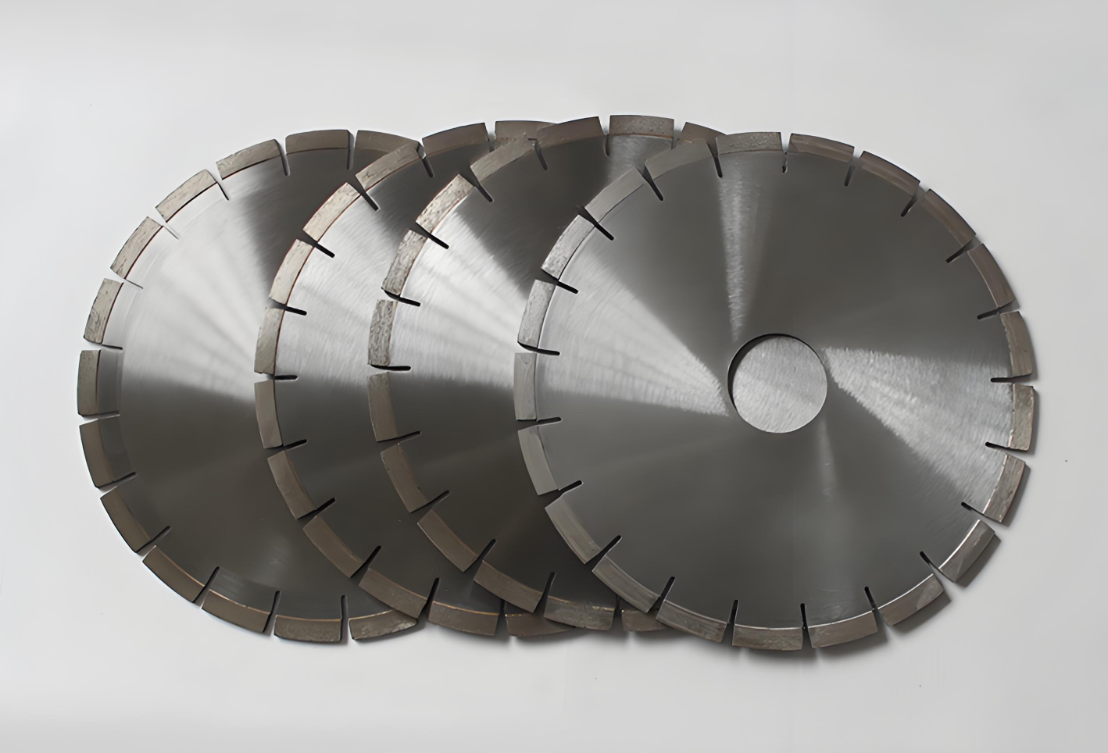
Continuous, corrugated and segmented designs serve different cutting requirements. Diameter and bore must suit the machine. Cooling method, slab thickness and required edge finish should be fixed before comparing samples.
Ask for measurable evidence
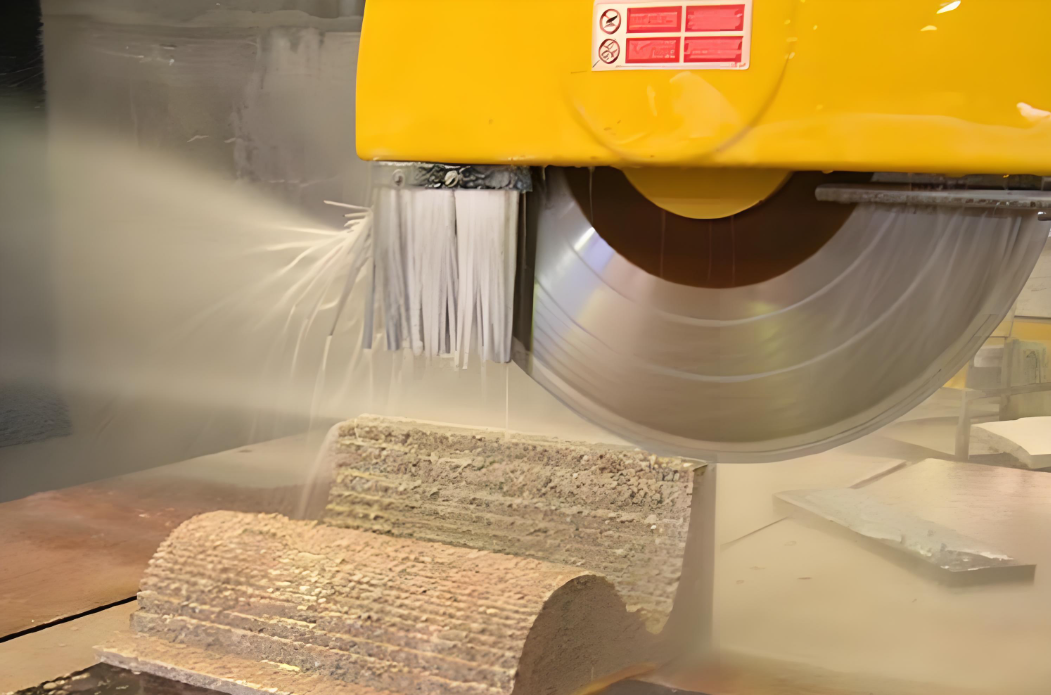
Evaluate cutting quality, wear and consistency on the same granite batch. Treat percentage improvements and historical performance claims cautiously unless the supplier supplies the test conditions and reference blade.
Compare three design features separately
A blade comparison is clearer when it separates visible geometry from specifications that cannot be judged from a photograph.
| Feature | What to compare | What appearance cannot establish |
|---|---|---|
| Rim layout | Continuous, patterned or separated segments | Whether the bond matches the granite |
| Dimensions | Diameter, bore, thickness and segment height | Actual service life or the number of accepted cuts |
| Production specification | Model and approved revision | Equivalence to a different-looking or newer model |
For a replacement design, keep the existing blade as the reference. Ask which feature changed and assess the finished edge and wear under comparable conditions.
Keep the useful details together
Sample trial worksheet · How to Choose a Diamond Blade: A Buyer’s Guide · How to Evaluate Diamond Blade Cutting Performance
Questions about a catalogue model? Send its reference and your application. About Zhanyue Tools and these guides.

Zhanyuetool
Shandong Zhan Yue Tools Co.