Content updated:
Replace a concrete blade when inspection shows damage or it has reached the manufacturer’s wear limit. Diameter alone does not determine a safe service life, and slow cutting is a reason to investigate rather than to force the blade.
Stop for damage
Cracks, missing segments, core distortion or a damaged bore are reasons to stop and remove the blade from service. Unusual vibration or noise also requires inspection of the machine and mounting system.
Distinguish wear from glazing
A smooth cutting rim and reduced cutting speed may indicate glazing or a material mismatch. Check the application and operating instructions. Use the replacement limit and assessment procedure supplied for that model.
Specify the replacement
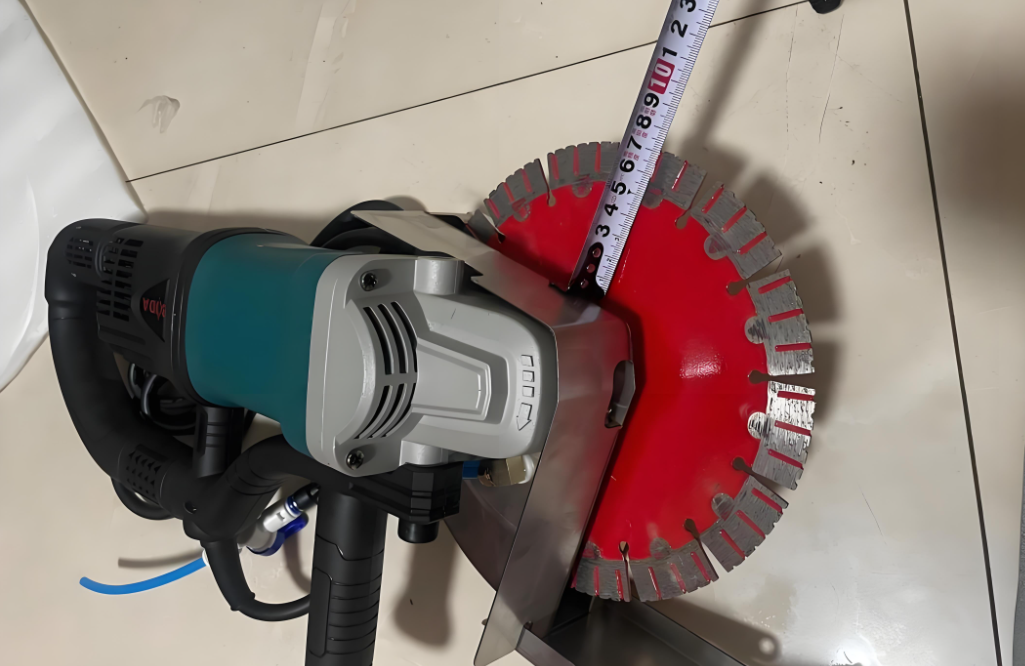
Confirm the exact diameter accepted by the machine, bore, concrete type, reinforcement requirements and wet/dry method. A 9-inch label should not replace verification of the stated metric size and speed rating.
Separate a replacement decision from an order decision
First decide whether the current blade can remain in service under its instructions. Then identify the replacement specification.
- Was damage observed?
- Clear photographs, blade reference and a description of the event
- Was a documented wear limit reached?
- The limit and measuring method from the relevant instructions
- Did performance change without an obvious cause?
- Material, machine and the point at which behaviour changed
- What replacement fits?
- Confirmed diameter, bore, application and operating method
A photograph alone may not establish the cause. Send the evidence to the supplier rather than attempting to keep a suspect blade working until a target cutting length is reached.
Keep the useful details together
Blade inspection record · Diamond Blade Maintenance: Inspection, Cleaning and Storage · Stone Cutting Blade Care: A Workshop Checklist
Related reference: Norton diamond-blade troubleshooting. Use the instructions for your own model before any corrective action.
Questions about a catalogue model? Send its reference and your application. About Zhanyue Tools and these guides.

Zhanyuetool
Shandong Zhan Yue Tools Co.