Content updated:
Diamond is very hard, making it useful as an abrasive cutting material for many hard and brittle workpieces. Hardness does not make it wear-free or suitable for every material.
Small cutting points
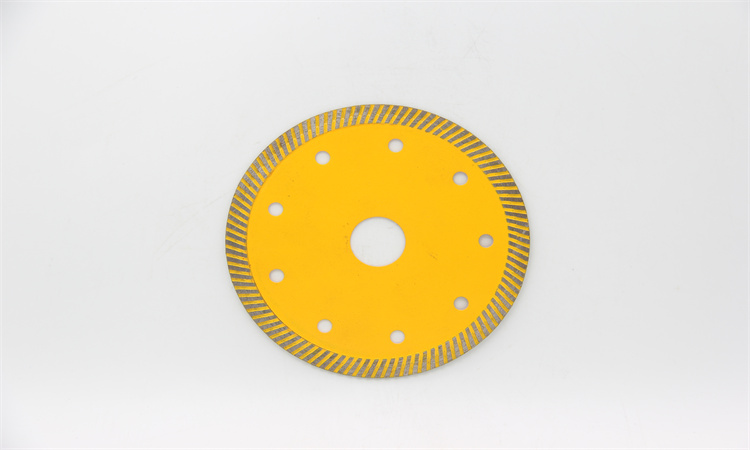
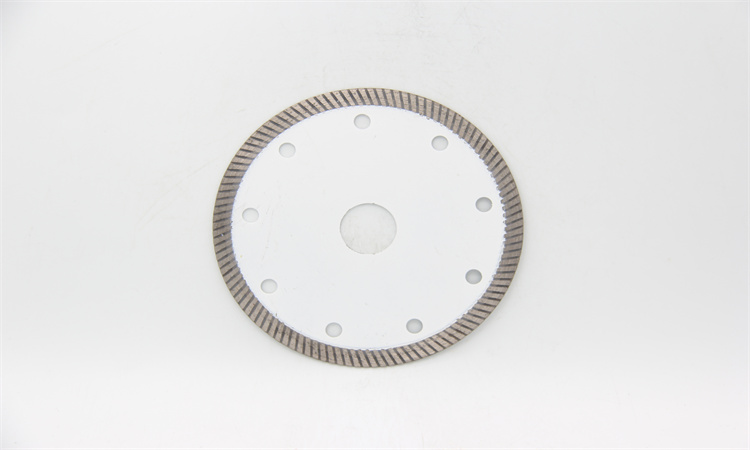
Industrial diamond particles provide cutting points at the rim. Their size, shape and distribution interact with the surrounding bond. The supporting core and complete tool design are also important.
A balanced working rim
The bond must hold the grit while wearing appropriately for the application. Poor matching can reduce cutting efficiency or cause unwanted wear. More grit is not automatically the correct answer.
Selection still matters
Check the finished blade’s material rating, dimensions, speed limit and cutting method. An ordinary tile or stone blade should not be assumed suitable for metals or wood because diamond is hard.
Separate material hardness from a purchasing decision
Abrasive material is only one part of a blade specification. A buyer still needs to identify the model and the task.
| Question | Useful answer |
|---|---|
| What supplies cutting points? | The diamond-bearing working material |
| What supports that material? | The rim or segment construction and bond system |
| What supports the blade? | The core and mounting geometry |
| What establishes suitability? | The model application and equipment requirements |
When comparing products, move from the general material explanation to the candidate specification. The working system matters more than a single impressive material property.
Keep the useful details together
Sample trial worksheet · What Is a Diamond Saw Blade Made Of? · Diamond Blade Technology: Grit, Bond and Rim Design
Questions about a catalogue model? Send its reference and your application. About Zhanyue Tools and these guides.

Zhanyuetool
Shandong Zhan Yue Tools Co.