Content updated:
Yes, purpose-designed diamond blades can cut materials such as ceramic tile, natural stone and masonry. That does not make a concrete blade suitable for every one of those materials.
Application labels matter
Tile, granite, marble and brick differ in hardness, abrasiveness and finish requirements. The bond and rim must suit the application. Start with the blade’s approved material list, not the general hardness of diamond.
Know the limits
Ordinary tile and masonry blades should not be used for wood or assumed suitable for steel. Specialist metal-rated diamond tools exist, but their rating does not transfer to another blade. Reinforcement capability must also be confirmed.
Select by the complete setup
Check machine, diameter, bore, maximum speed and wet/dry requirements. For a new material, ask the supplier for a specific recommendation and evaluate a sample on representative workpieces.
Use a material-approval decision path
Identify the exact blade before asking whether it can cut another material. Similar names or colours do not establish an approved use.
| Step | Decision |
|---|---|
| Find the model | Match the blade marking to a specific reference |
| Read the material list | Check whether the proposed material is explicitly covered |
| Check the operation | Confirm cutting, channel formation or any separately approved edge work |
| Check the machine | Verify the machine and blade requirements together |
| Resolve uncertainty | Obtain model-specific confirmation before treating the material as approved |
For an enquiry, send the new material and the current reference together. This is more useful than asking whether diamond in general is hard enough to cut it.
Keep the useful details together
Sample trial worksheet · How to Choose a Diamond Blade: A Buyer’s Guide · How to Evaluate Diamond Blade Cutting Performance
Questions about a catalogue model? Send its reference and your application. About Zhanyue Tools and these guides.
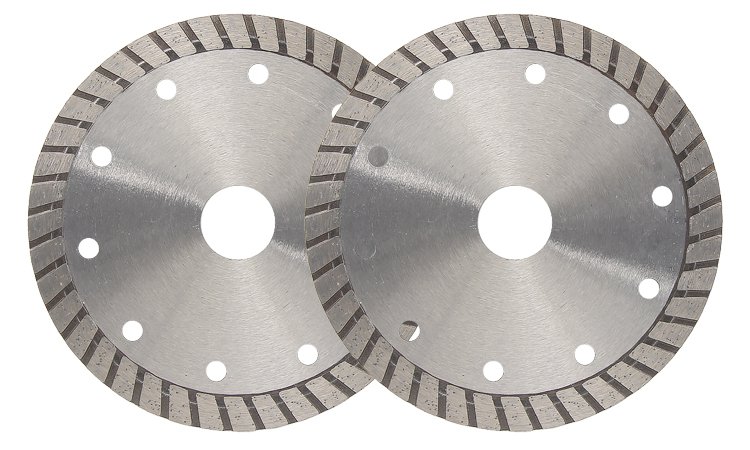
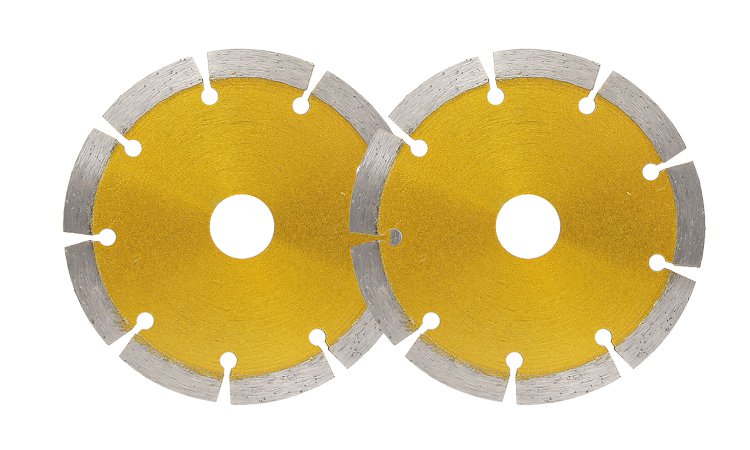

Zhanyuetool
Shandong Zhan Yue Tools Co.