Content updated:
Stone blade care includes correct handling, inspection and investigation of changes in cutting behaviour. It does not require a universal chemical soak, storage humidity or material-specific RPM table.
Keep inspection records
Before use, check for core damage, missing segments and mounting-hole defects. Record the blade reference and material used. Remove damaged blades from service instead of attempting an unapproved repair.
Clean and store appropriately
Use the cleaning and storage methods specified by the manufacturer. Avoid dust-spreading methods, impacts and distortion. Do not coat the blade with a lubricant or solvent without confirming that it is permitted.
Investigate wear
If cutting slows or wear becomes uneven, review the material, machine, mounting and cooling or extraction arrangements. A supplier can give a more useful answer when these conditions are documented.
Use a stone-workshop issue log
Keep routine cleaning records separate from changes in cutting behaviour. This makes it easier to describe a problem when asking for support.
| Observation | Information to add |
|---|---|
| Residue after cutting | Material, approved cleaning instruction and photographs |
| Changed edge finish | Stone batch, cut location and representative edge photographs |
| Uneven wear | Blade reference and views of the affected area |
| Storage damage | How the blade was stored and what was observed before reuse |
For the general inspection and storage sequence, use the maintenance guide linked below. This workshop log adds job context without assuming the cause of a problem.
Keep the useful details together
Blade inspection record · Diamond Blade Maintenance: Inspection, Cleaning and Storage · When Should You Replace a 9-Inch Concrete Blade?
Related reference: Norton diamond-blade troubleshooting. Use the instructions for your own model before any corrective action.
Questions about a catalogue model? Send its reference and your application. About Zhanyue Tools and these guides.
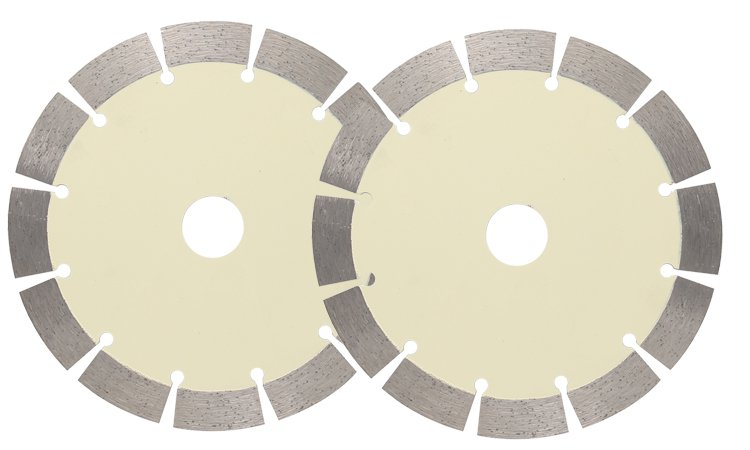
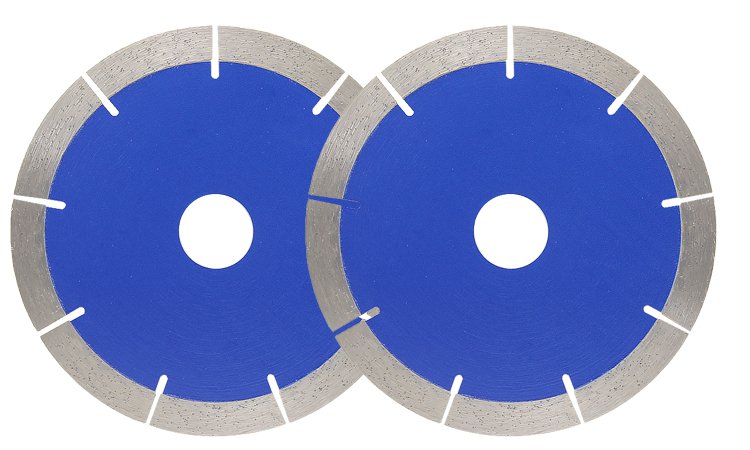

Zhanyuetool
Shandong Zhan Yue Tools Co.