Content updated:
Clean brick cutting depends on the brick type, suitable equipment and a compatible masonry blade. Dense clay brick and abrasive concrete block may call for different blade specifications.
Prepare the specification
Identify the brick, thickness and finish required. Check the machine instructions for permitted blade diameter, bore and cutting method. Support the work so it cannot shift or pinch the blade.
Control the process
Mark the cut and use the equipment’s recommended feed and pass sequence. Use the prescribed dust-control or water system. Do not add water to equipment that is not designed for wet use.
Evaluate the result
Compare edge damage, cut accuracy and wear on trial pieces. If edges chip or the blade loses cutting ability, review blade suitability and the setup before increasing force. A blade marked only for another material should not be assumed suitable for brick.
Describe the brick cut before comparing samples
A brick enquiry needs more than the word masonry. Define the material and the finish that will count as an accepted result.
| Enquiry field | Useful detail |
|---|---|
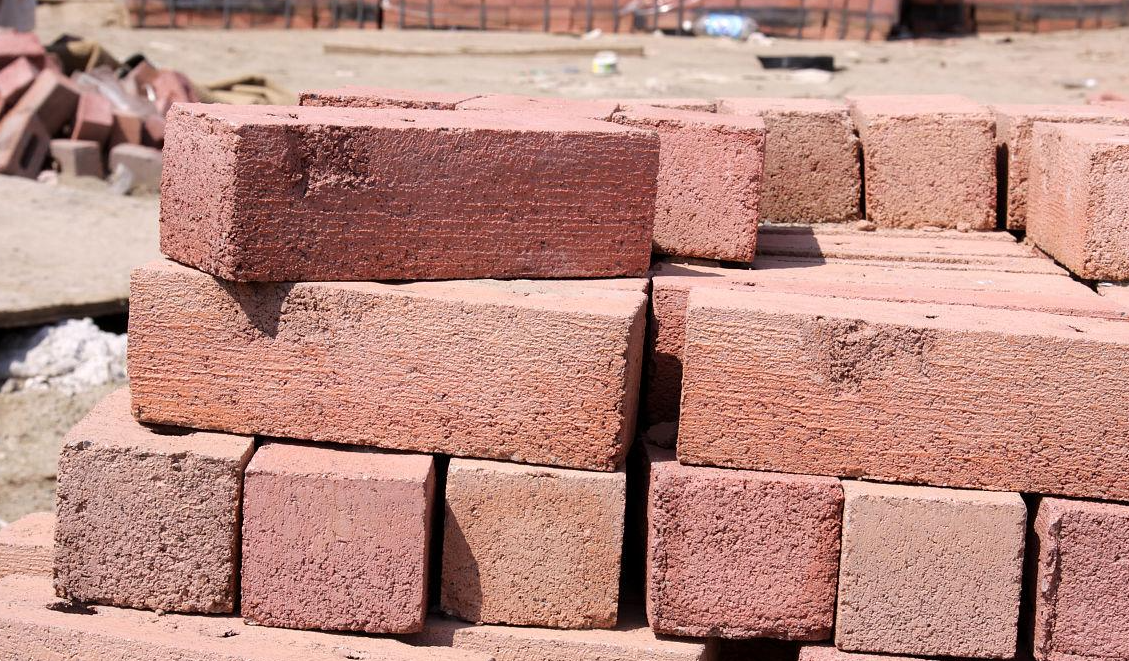
| Brick or block | Material type and a photograph of the unit |
| Cut location | Straight cut, corner detail or another specified operation |
| Dimensions | Unit thickness and the required cut geometry |
| Finish | Which edge will be visible and what damage would be unacceptable |
| Trial record | Blade reference, machine, accepted pieces and rejected pieces |
Use the same acceptance description for every sample. This makes it possible to discuss a finish problem without changing the requirement after seeing the result.
Keep the useful details together
Sample trial worksheet · How to Choose a Diamond Blade: A Buyer’s Guide · How to Evaluate Diamond Blade Cutting Performance
Dust-control background: OSHA handheld power-saw fact sheet (US guidance). Check the equipment instructions and requirements that apply to your workplace.
Questions about a catalogue model? Send its reference and your application. About Zhanyue Tools and these guides.

Zhanyuetool
Shandong Zhan Yue Tools Co.