Content updated:
A diamond blade removes material through abrasive cutting points at its rim. Understanding this mechanism helps explain why material compatibility and bond selection matter more than a broad claim of exceptional hardness.
The cutting system
Diamond particles work with the bond and supporting core. As cutting progresses, the working surface changes. A bond that does not wear appropriately for the material may lead to poor cutting behaviour.
Accuracy depends on the setup
Machine condition, mounting, workpiece support and the correct blade all affect the cut.
Use the mechanism when selecting
Tell the supplier the material, thickness, machine and required finish. Compare a blade approved for the task and review sample results rather than relying on a generic promise of microscopic precision.
Connect the working rim to the observed result
Think of the blade as a complete cutting system rather than a collection of isolated material claims.
| Part of the system | Information it contributes |
|---|---|
| Diamond-bearing working edge | The cutting interface with the workpiece |
| Bond and rim specification | The version selected for the intended application |
| Core and mounting geometry | The connection to the machine |
| Machine and workpiece setup | The conditions under which the result is observed |
When a trial changes, record what actually changed in this system. A different material batch, a different blade revision and a different machine are separate variables, even if the discs look alike.
Keep the useful details together
Sample trial worksheet · What Is a Diamond Saw Blade Made Of? · Diamond Blade Technology: Grit, Bond and Rim Design
Questions about a catalogue model? Send its reference and your application. About Zhanyue Tools and these guides.
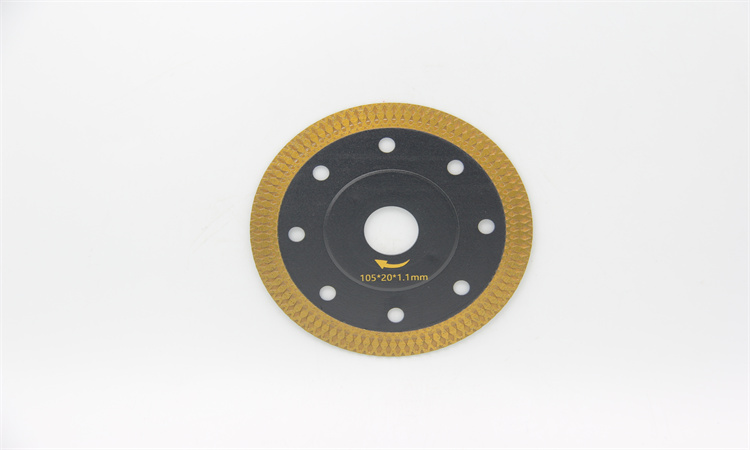
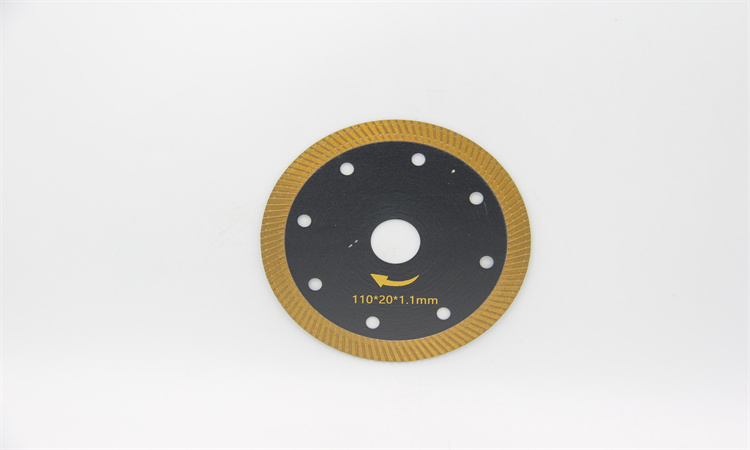
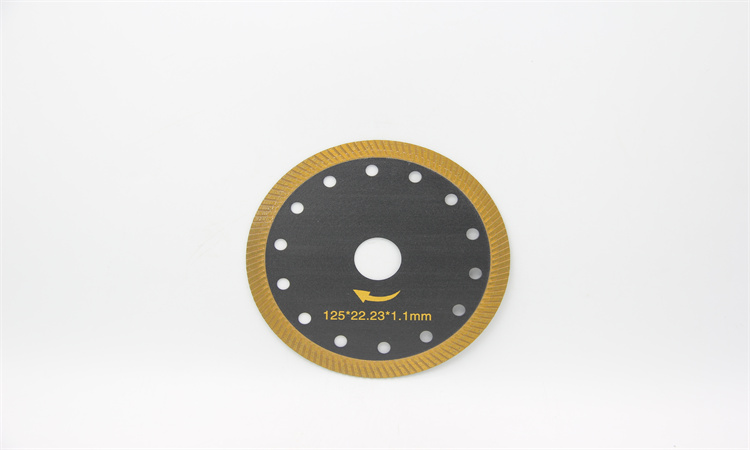

Zhanyuetool
Shandong Zhan Yue Tools Co.